Saturday, June 22, 2024

Designing Your Own House Floor Plans

 The desire to design your own house floor plans is admirable, but may be beyond the scope of what your able to accomplish without a little help. Stock plans available on the internet or plan books can only help so far because each house needs to be designed not only for those who will live there but also to compliment the site where it is being placed. Here are some tips for those who desire a custom home design but want to be more involved in the process while not spending 8% of the total build cost to hire an architect. 

The first step is to make a list of necessities. Ask yourself and your family how many bedrooms are needed, now many bathrooms, two-story or one-story, are you satisfied with some living space in a walkout basement, do you desire separate living areas or do you want a combined great room, does the garage need to be attached to the house or can it be added later, etc. 


The next step is to look for houses that appeal to you. Are there things that attract you? Are there things that you hate? Can you be satisfied with conventional construction or do you want a hybrid or log home" Do timber accents impress or are you more drawn to whites or grays? Taking the time to gather pictures is a great help to assisting the designer in knowing what you are looking for. 

Thirdly, look for a home designer near you that can take these ideas and translate them into reality. Choosing a home draftsman might be suitable, but choosing one that is also a licensed general contractor can lend to a custom home design that is based on building codes and practical insights from day one. 


 Fourthly, be willing to start with a floor plan. Working out the floor plan nuances, flow of the rooms, and circulation path makes the entire design process flow better. With today's high tech 3D design software like Revit, the flat floor plan is actually being designed with the structure in the background. The placement of each window and exterior door and the sizes thereof are the factors that are then taken into the 3D realm and turned into the house design. 

Fifthly, but this actually should be before number 1, be sure to research what requirements are in existence for your HOA if you have one and for the local building code department of your city or county planning office. Things like minimum square footage of living space, maximum footprint of the home, setbacks from property lines, overall height of the buildings, length of roof lines that are unbroken by changes of direction or height, etc are all very important. It is best to include this type of planning parameters into the plan from the beginning so that less time and effort has to be invested in redraws to satisfy requirements that were in place from the beginning. 


I have built several of my own homes and I can honestly say that designing my own home plans is a great experience. There is some stress involved, but the investment in a quality set of designs makes it much easier to envision the house that will meet your needs and match your dreams. Quality architectural plans created by a proficient home designer allows accurate cost estimating and construction time projections for your home. And finally, plan designed by a house designer are infused with structural knowledge based on building codes that would be lacking with a simple pencil drawing. 

For more insights to design your own house floor plans visit us at Venture Home Design. If you have specific questions be sure to post a comment below. 

Mike and Sue Lemmon
Venture Home Design
Belgrade, Montana

Log Home Builder Choices


If you are building a log home, a log home builder is a necessity. Any log home company will sell you logs, a log kit, or a log home package, but they are lax is providing a log home builder. Without a builder the homeowner either has to build the log home themselves or try to locate a qualified contractor on their own. Here are some different log home builder choices to help you navigate from your idea of a log cabin to a complete turnkey solution. 

Log homes are an atypical type of home construction. They are more difficult to build than a conventionally framed home, but they are not rocket science. There is simply some construction practices that are unique to log homes that must be incorporated in the building to prevent issues with binding of doors and windows, cracking to drywall from the settling and shrinking of the logs, and air leakage issues between rows of logs and in the outside corners. 


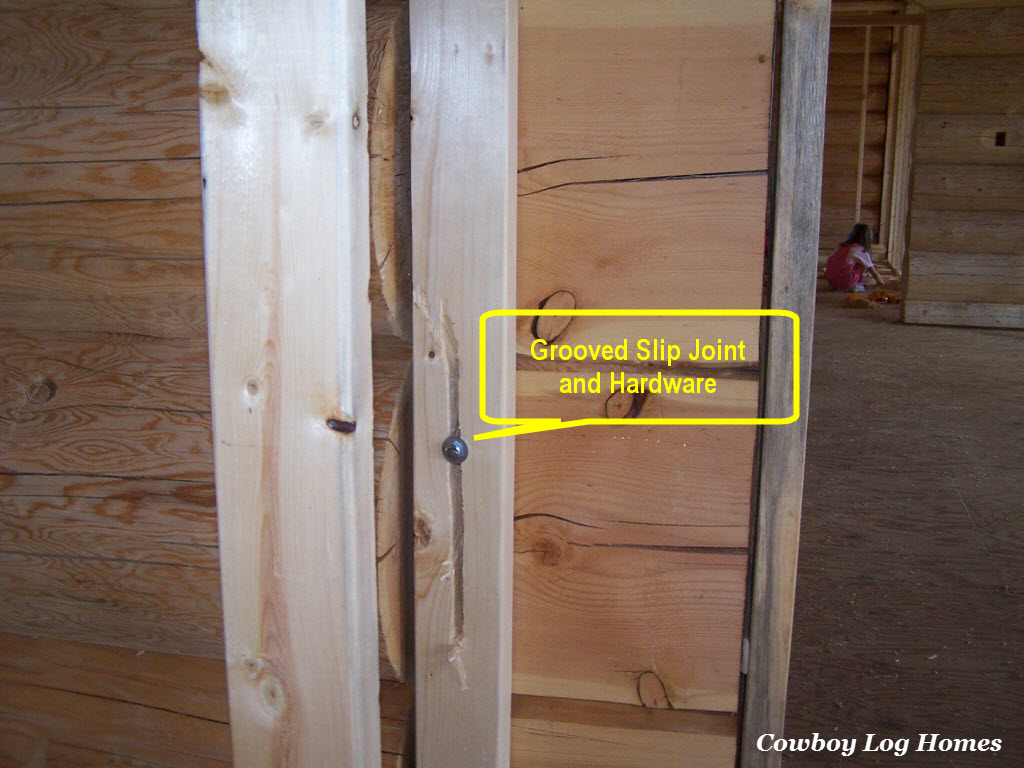
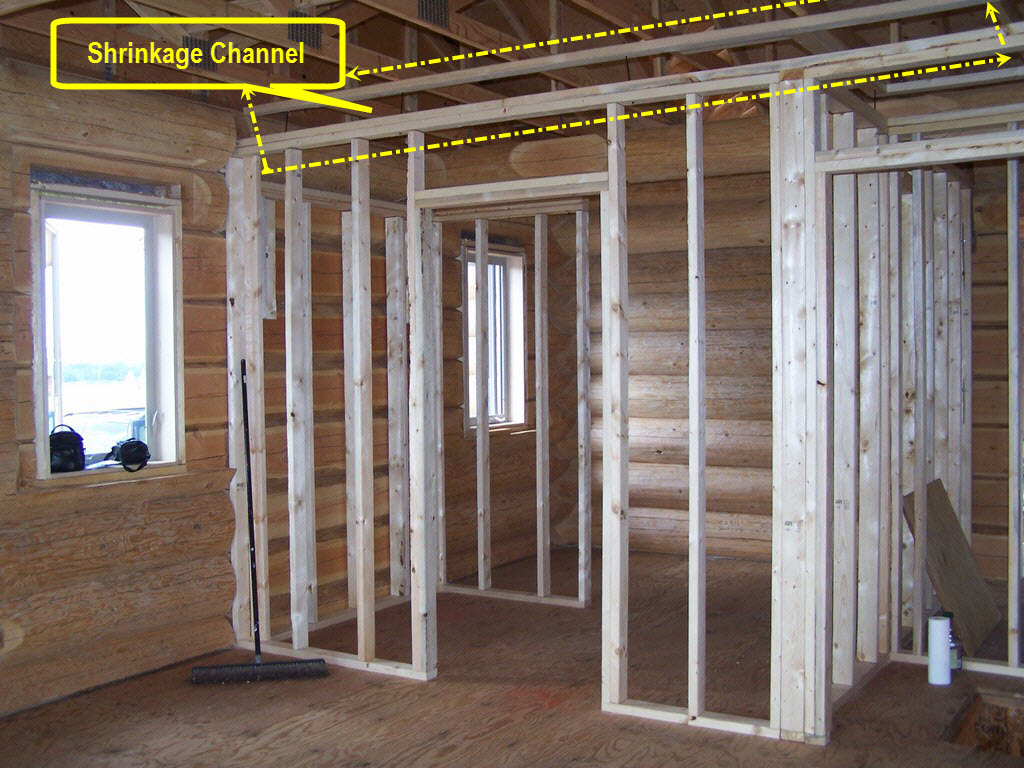
Quality log home builders are well versed with shrinkage channels, slip joints, and proper trim installation to prevent long term issues with the log home. Log homes are some of the oldest structures in the United States and they way they have stood the test of time is through quality building. Log homes in the eastern United States are often of a higher quality than ones which were slapped together in gold mining camps of the west. The most renown log structure is the Old Faithful Inn in Yellowstone National Park. This one massive log structure was built in 1904 and was designed by architect Robert Reamer. Locally sourced materials of Lodge Pole pine and local stone were the main structural elements. Today, it still stands as a remarkable reminder of quality handcrafted log construction. 

 For those who wish to build their log home themselves, complete log home blueprints that come with a log home package should have detail pages and diagrams explaining how to install the shrinkage channels and slip joints, settling jacks and trim to prevent future issues like are noted above. Log home packages also often include the log wall assembly materials such as splines, settle jacks, log caulking, foam tape, lag bolts, and Oly-log screws. It is best to purchase these materials with the log package so that the log home manufacturer can provide you with the correct log wall assembly materials and you don't have to try to figure out what you should buy, how much to purchase, and where to source it from. 

For those who do not want to build their own home but who still desire to be involved in the process, another option is a dry-in contract. A dry-in contract is where the log cabin building company erects your log home and gets it to the point of keeping the weather out. This includes stacking the logs, installing all of the dry-in materials such as roof framing, sub-floor(s), exterior doors, windows, door and window bucks, exterior door and window trim, soffit, fascia, and roof underlayment. The foundation and excavation may or may not be included in a dry-in contract. The final roofing is typically not included in the dry-in contract as it should be contracted with a local roofing company in case of leakage later on. If you use someone local then you can easily call them back if there is a problem. Most log home building companies that solely build log and timber homes travel across many states so calling them back for roof issue is not ideal. Any staining of the logs is also not typically included in a log home dry-in contract. The beauty of the dry-in contract is the interior of the home is protected from weather damage, the log work is done by a qualified log home builder assuring that slip joints and shrinkage channels were properly installed, and the owner can then contract the rest of the finish work themselves without spending money to have someone else oversee it. 


 A full turnkey solution is where a general contractor is hired to do all phases of construction and hands the owners the keys to the front door when they leave. This is a good option for those who have limited time or sparse knowledge of building. Letting the professionals handle things from start to finish, or dirt-to-done ensures that each step is overseen and completed by the professionals. 

So no matter what your choice is, having your log cabin home built on your own land is a satisfying accomplishment. Choosing a high quality premium log package, complete customized construction drawings, and a log home builder with many years of experience can help to make your log home dream a reality. 

For more information about choosing log home builders please visit us at Cowboy Log Homes and view our "Log Home Builders Availability" article.

And as always - 

Thanks for reading - 

Sue Lemmon

Thursday, October 10, 2013

Log Homes - Comparing Log Packages

One area of custom homes would include custom log homes. As any one knows that has even cracked open a log home magazine or attended a home show, there are abundant log home companies to choose from with various products.

For a milled log home there are two choices: Random Length and Precut Log Packages in the industry.


The first is random length logs. This is where we estimates how many logs you will need in order to build your home. The logs are shaped to either a Swedish Cope stack or a Double Tongue and Groove stack. The corners are prenotched before the log leave the yard, but the rest of the cutting is done on site. This allows the owners to change the window or door locations on the job site in the case they are not entirely sure where they would like to have each located. The random length log packages are less expensive than a precut package, but are more labor intensive on the job site.


A Precut Log Package comes with the door and window openings precut into the log shell and the corners premade. The logs are coded according to length and placement in the walls. Sometimes a color code is used on the ends of the logs to designate location. At other times an alpha-numeric code is stapled to the end of each log.


We have found as log home builders that the more precutting that is done to the log shell before it arrives at the job site, the quicker the log shell is built and the more accurate the location of the doors and windows.

We feel one key factor to building a log home is a very complete set of construction drawings. The investment of a few thousand dollars, depending on the size of the log home, in quality designs makes a tremendous difference in transforming a mediocre layout into an outstanding design. Taking the time to sit down and really figure out exactly where you want the windows, how large you desire your rooms to be, and all the other thousands of details is important.

Random length log packages do have their place in the log home world, but it seems to take a much more skilled builder to think though all of the issues on the job site as he is building when construction drawings are not first finalized with all of the details for the log home.

As you shop for your log home be sure to carefully evaluate each package. Ask if the package is random length or precut. A informed log home employee or owner should be able to answer that question very easily.

Cowboy Log Homes

Tuesday, September 10, 2013

Custom Log Home Floor Plans


Log home floor plans are were every custom log or timber home begins. Sometimes it can be daunting to take a flat piece of paper with lines on it and imagine your dream home. This was something I struggle with but my husband excelled at.

To help envision the reality of a floor plan that is sitting on the table in front of you, try these few steps. Look at the measurements of each room on the plan. Go get a tape measure. Take the flat floor plan, the tape measure, and a pencil. Then choose a room from the plan and visit the corresponding room in your existing home.


Let's say you begin in the kitchen. Measure the length and width of your existing kitchen. Write down that number. Then stand back and think if you would like your next home to have a wider kitchen, longer, smaller, larger, etc. If you want the kitchen two feet shorter, then get your measuring tape and mark that size. This helps to put actual spaces to the sizes on the floor plan.

Go through all the rooms of your home in the same manner. If you want a large great room, then take your living room, dining room, and kitchen and add together all of the measurements. Remember that great rooms can include a kitchen area or can be a separate area or room all together.

By measuring the rooms in your home it puts the reality of a 10 foot long bedroom is always going to be 10' long, no matter what house it is in. Not only measure length, but measure wall height. One log home we visited recently had a ceiling which was 6 inches lower than a standard one.

One of the best assets I have for home planning is a large floor plan book. With over 500 pages, it is packed with home ideas, floor plans, and outside elevations. Give yourself an advantage and have lots of background information before you begin final planning of your custom log home.

If you visit our website at http://cowboyloghomes.com we have capitalized on designing livable floor plans. Currently there are about 100 log home and log cabin plans to choose from. If you don't see what you like, then contact us and we can do a custom design. But remember, a quality log or timber home always begins with a quality log home floor plan.

Cowboy Log Homes

Tuesday, October 6, 2009

Log Home Heating Issues


Log homes are one of the most energy efficient types of construction. Just about every log home I have been in has a wood burner of some sort. From a huge stone fireplace to a small pellet stove, a wood burner to an ancient Blaze King, the allure of adding the accent of a visible fire flame to add to the enchantment of the log home is very real. The other advantage, of course, lies on the use of fire wood for heat, instead of oil, electric, or gas.

As log home builders we have found that placement and type of fireplace or wood burner is very important. Though an open fireplace is lovely, it is not the best at heating a room. Adding a fireplace insert with glass doors and blowers will improve the actual heating benefit you gain from the wood heat tremendously. An open fireplace allows the heat to escape up the chimney. Also down drafts can push ash and smoke back into the room on a windy day.

When choosing a wood burner, a very popular choice, it is smart to choose a larger one. Though a small one is cute, it does not have a large capacity for wood. For the dedicated fire builder in the family, it really is possible to heat your home almost entirely with just wood, if the wood burner is big enough.

Another alternative of course, is the pellet stove. Pellets are simply dropped into the stove, the pilot light lit, and the thermostat set to whatever temperature is desired. Many have a glass door so that you can see the flame. The downfall, as with all inventions that burn wood, is the ashes.


All in all the addition of a wood stove is never a bad idea, and your pocket book will thank you too!
Cowboy Log Homes

Thursday, October 1, 2009

Custom Log Homes


Custom homes are part of a very wide spectrum of building. They include even modular homes and log homes. Though very different in look and design, there is one thing they have in common, the individuality of the people who purchase them. Everyone wants something that is unique, special, and will yield that feeling of HOME.

For less expensive log home options consider an 8 inch milled log style. Further funds can be saved by placing standard trusses over part or all of the home. Locating a garage in the basement can also help to minimize costs, but remember if you want a basement in the garage your building site has to have some slope to it in order for the basement to be designed as a daylight basement.

Log homes are more of a specialty type construction. They can range from higher end homes to small remote cabins.  What ever type you choose, the log home should be yours, no one else, just yours.

Custom log home design has evolved over the years. Standing next to farmhouses, many times here in the West, you will find an old log cabin. The whole design element for a home like that is to provide shelter in a minimalistic way and in a very short amount of time. Thus the tiny four sided cabin took shape and today are sought after those who wish to preserve the roots of the past.

Today the best way to do a custom log home design is to choose a floor plan that you like and then begin to modify it to meet your needs. As a log home builder we can build to any specifications, so sketch out things you like, cross out features you hate, and make the plan the way you would like to see it. Then schedule a time to sit down with us and let us put some shades of construction methods behind the sketch. We are able to tell you right away if an idea is going to work or if there are some adjustments needed to make the design workable in log.

Custom log homes become part of the family. Often they are left in the will to the family or to a family member that feels the same connection with 'The Cabin' that the original owners felt when they built it.

Cowboy Log Homes

Cowboy Log Homes